
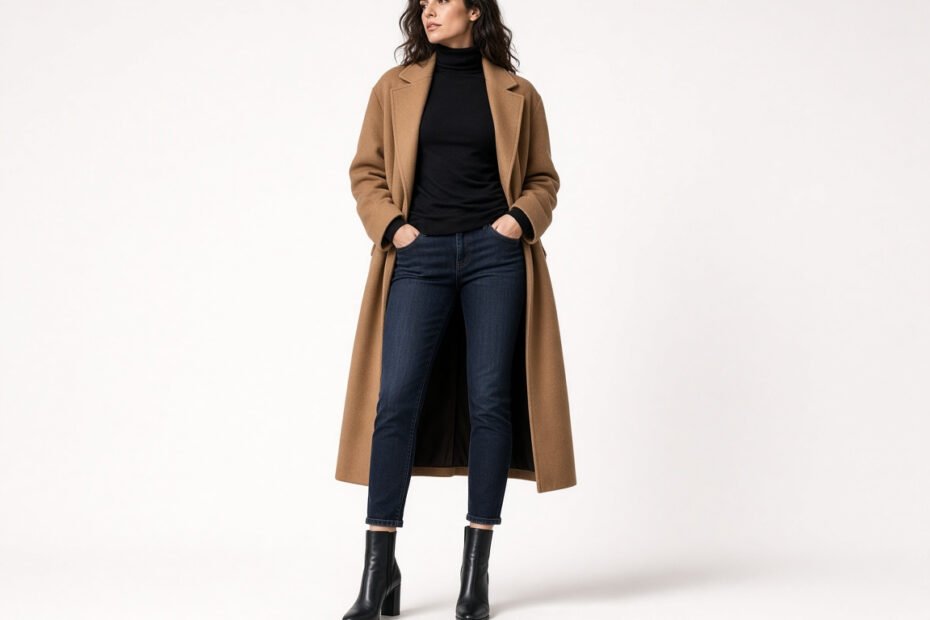
Black boots with heels work with jeans, skirts, dresses, and tailoring — the key is matching heel height and boot length to your occasion. A block heel covers daily life; a stiletto knee-high lifts an evening look. This guide walks through every combination, from casual weekends to nights out.
- Black heeled boots come in ankle, knee-high, and thigh-high lengths — each one changes outfit proportions differently.
- Block heels offer the most comfort for all-day wear; stilettos create a dressier, leg-lengthening line for evenings.
- The hem of your skirt or dress should sit either above or inside the boot top — a mid-shaft hemline creates an awkward visual break.
- Caring for the material and replacing worn heel tips before they wear through significantly extends a boot’s lifespan.
What Makes Black Boots With Heels a Wardrobe Staple?
Black is the only colour that acts simultaneously as a neutral and a statement. It sits alongside navy, grey, camel, burgundy, cream, and bold prints without competing — and it anchors an outfit when everything else is in motion. Add a heel and you get extra height, a more defined silhouette, and a shape that reads as considered rather than casual.
That combination is why heeled black boots show up in designers’ collections year after year. High street labels and luxury houses alike return to the silhouette reliably because it works across so many lifestyles, body types, and occasions. Where a brightly coloured boot needs the rest of an outfit to work around it, a black heeled boot simply slots into place.
There is also a practical argument. A single pair of quality black heeled boots can serve you across dozens of different outfits. That flexibility makes them one of the most cost-effective footwear purchases you can make, even at a higher price point. Few other items do as much work per wear across the year.
Which Types of Black Heeled Boots Are There?
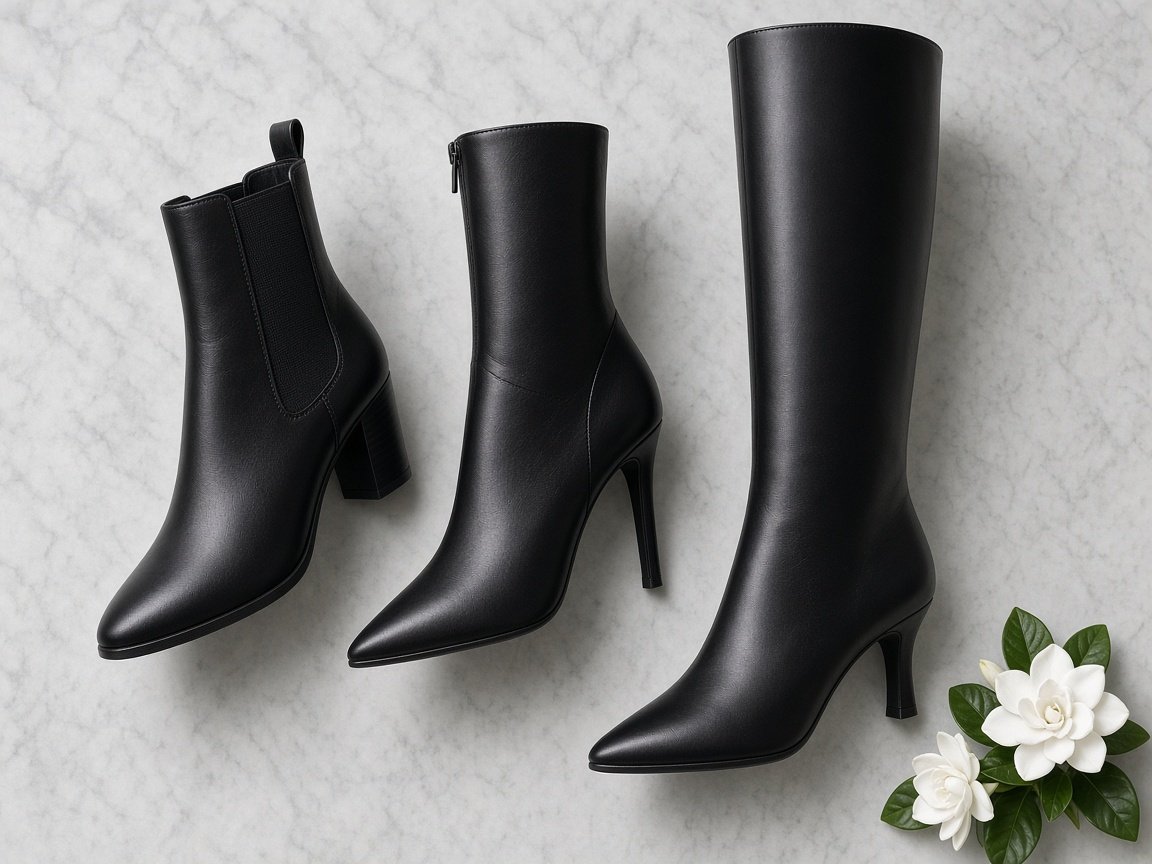
Understanding the main boot silhouettes helps you pick the right one for your lifestyle. Each length changes the proportions of an outfit differently — and each opens up a slightly different range of outfits.
Ankle Boots
Ankle boots sit just above or at the ankle. They are the most versatile length in the range — easy to pair with jeans, trousers, midi skirts, and shorter dresses. With a heel, they add height without covering much leg, keeping outfits looking light and proportionate. Chelsea boots — with their clean elastic-sided silhouette — fall into this category and are among the most polished and adaptable ankle-boot options available.
Knee-High Boots
Knee-high boots hit at or just below the knee and create a sleek column of colour that extends the leg line. They work beautifully with mini skirts and dresses, slim trousers tucked into the shaft, and chunky knitwear. The heel adds formality and polish to what can otherwise be a casual silhouette, making knee-high heeled boots a strong choice for both daytime and evening wear.
Over-the-Knee and Thigh-High Boots
These are bolder choices that work best when the hemline sitting above them is relatively short. The more of the leg the boot covers, the shorter the skirt or dress should be to keep proportions balanced. With the right pairing, they create a striking, unbroken leg line from foot to thigh. If you want to explore how this silhouette works in practice, the guide on what to wear with black thigh-high boots covers a wide range of outfit combinations across different occasions.
Which Heel Style Should You Choose?
The shape and height of the heel matters as much as the boot silhouette itself. Here is a breakdown of the five main heel types and when each works best.
| Heel Type | Best Occasions | Comfort Level | Typical Height |
|---|---|---|---|
| Block / Square | Work, daytime, all-occasion | High | 5–9 cm |
| Stiletto | Evening, formal events | Low | 7–12 cm |
| Kitten | Work, formal daytime | High | 3–5 cm |
| Stacked / Chunky | Casual, street style | Medium–High | 5–8 cm |
| Wedge | Casual, outdoor, travel | High | 5–10 cm |
Block heels are the most practical choice for everyday wear. The wider base distributes your weight more evenly, reduces fatigue, and provides better stability on uneven surfaces like cobblestones or wet pavements. If you are buying your first heeled boot, a block heel is the most reliable starting point for a wardrobe that actually gets worn.
Stilettos create a long, elegant line and pair well with evening wear, tailored trousers, and dressier skirts. The trade-off is comfort — they concentrate your weight onto a small point and fatigue the foot faster than any other heel type. Reserve them for shorter wear periods where minimal walking is involved.
Kitten heels offer a subtle lift that reads as polished without demanding much from your feet. They are a particularly good choice for long working days or formal events where you will be standing for extended periods. Stacked and chunky heels bring a bold architectural quality that suits contemporary fashion’s interest in strong, structural shapes. Wedge heels, which run the full length of the sole, are among the most stable options available and suit casual or outdoor settings well.
How Do You Style Black Heeled Ankle Boots?
Black heeled ankle boots are the most wearable version of this style. They suit almost any outfit type, which makes them the smart first purchase if you are building out your boot collection. Here is a step-by-step approach to building an outfit around them.
Step-by-Step: Building an Outfit Around a Black Heeled Ankle Boot
- Start with the bottom half. Choose your base — slim jeans, a midi skirt, a mini dress, or wide-leg trousers.
- Check the hem relationship. The boot should be clearly visible below the hem. For trousers, fold the cuff slightly to show the boot shaft. Avoid very wide hems that completely hide the boot.
- Choose your top accordingly. A flowy top or relaxed knit softens the structure of the boot. A fitted top creates a more streamlined, polished look.
- Add a layer for depth. A leather jacket over a midi dress, or a blazer over a T-shirt and jeans, makes the boot feel more intentional rather than incidental.
- Finish with a bag that matches the mood. A structured bag keeps the look polished; a relaxed tote or crossbody keeps it casual.
With jeans: The classic combination is slim or straight-cut jeans with a heeled ankle boot — the boot sits just below the hem with a small gap at the ankle. Avoid very wide-leg jeans, which can overpower a shorter shaft and obscure the boot entirely.
With a midi skirt or dress: A heeled ankle boot grounds a flowing midi hemline. The boot adds structure to the softness of the fabric, and the slight heel elevates the overall feel without looking overdressed. This is a particularly flattering pairing for a wide range of body types.
With tailoring: Heeled ankle boots pair especially well with wide-leg trousers — the heel peeks out as the fabric moves, adding an unexpected detail to a structured look. A pointed-toe version works best here for a sharp, contemporary finish.
What Should You Wear With Black Heeled Knee-High Boots?
Knee-high boots with a heel are among the most elegant boot silhouettes available. The key to wearing them well is thinking carefully about where the hemline of your outfit sits in relation to the boot top.
With a mini skirt or dress: This is the most iconic pairing. The boot covers the lower leg, the skirt or dress sits above the knee, and the gap between the two frames the thigh. It is a balanced, proportioned look that works for a wide range of occasions from casual afternoons to evening events.
With slim trousers: Tuck slim-cut or skinny trousers into the shaft for a sleek, streamlined silhouette. The heel adds formality and lifts what might otherwise be a simple trouser-and-boot combination into something more considered.
With a chunky knit dress: A knit mini or midi dress over knee-high heeled boots is one of the most reliably stylish autumn and winter combinations. The contrast between the texture of the knit and the structure of the boot creates visual interest without much effort on the styling front.
With a midi skirt or dress: This takes more consideration — the hem should sit clearly above the boot top or the fabric should tuck into the shaft. Avoid a hemline that meets the boot top at exactly the same level, as this cuts the leg at an unflattering point. For a wider range of ideas across dress codes, the guide on what to wear with black knee-high boots covers pairings from casual to formal in detail.
How Do You Wear Black Heeled Boots to Work?
Black heeled boots work well in a professional setting. The key is matching the heel style and boot silhouette to your workplace’s dress code and to the amount of walking and standing your day involves.
Corporate and formal offices: A block-heel or kitten-heel ankle boot in smooth, polished leather pairs well with tailored trousers, a pencil skirt, or a sheath dress. For long days on your feet, keeping the heel under around 7–8 cm tends to be more comfortable. Very high stilettos are better suited to occasions with less sustained walking.
Smart-casual offices: The options open up considerably here. A heeled Chelsea boot with straight-leg trousers, a heeled ankle boot with wide-leg pants and a blazer, or even a knee-high heeled boot with a midi dress all work in relaxed professional environments. The boot becomes a style detail rather than a formal necessity.
Creative industries: You have the most freedom in creative workplaces. A chunky-heeled boot with a bold, considered outfit reads as fashion-forward rather than overdressed. This is where you can experiment more confidently with longer shaft lengths and more architectural heel shapes without worrying about dress code constraints.
The upper material signals formality. Smooth polished leather reads more formally than suede; suede has a relaxed, casual feel. A smooth leather block-heel ankle boot covers the widest range of office environments from one pair — it is the single most practical starting point for work dressing.
What Are the Best Night-Out Outfits With Black Heeled Boots?
Black heeled boots are a natural fit for evenings. The heel adds a dressy edge without requiring you to rethink the rest of your wardrobe, and the black colour sits alongside everything from sequins to leather without clashing.
Heeled ankle boots with a slip dress: A satin or silk slip dress with black stiletto ankle boots is effortlessly cool. Add a leather or faux-leather jacket if the venue is casual or the weather calls for a layer. This is one of the simplest evening combinations to put together and one of the most reliably stylish.
Heeled knee-high boots with a mini dress: An evening mini dress with heeled knee-high boots creates a confident, balanced silhouette. This combination works well for dinner, a bar, or a live event — the boot adds structure and length without overpowering the dress.
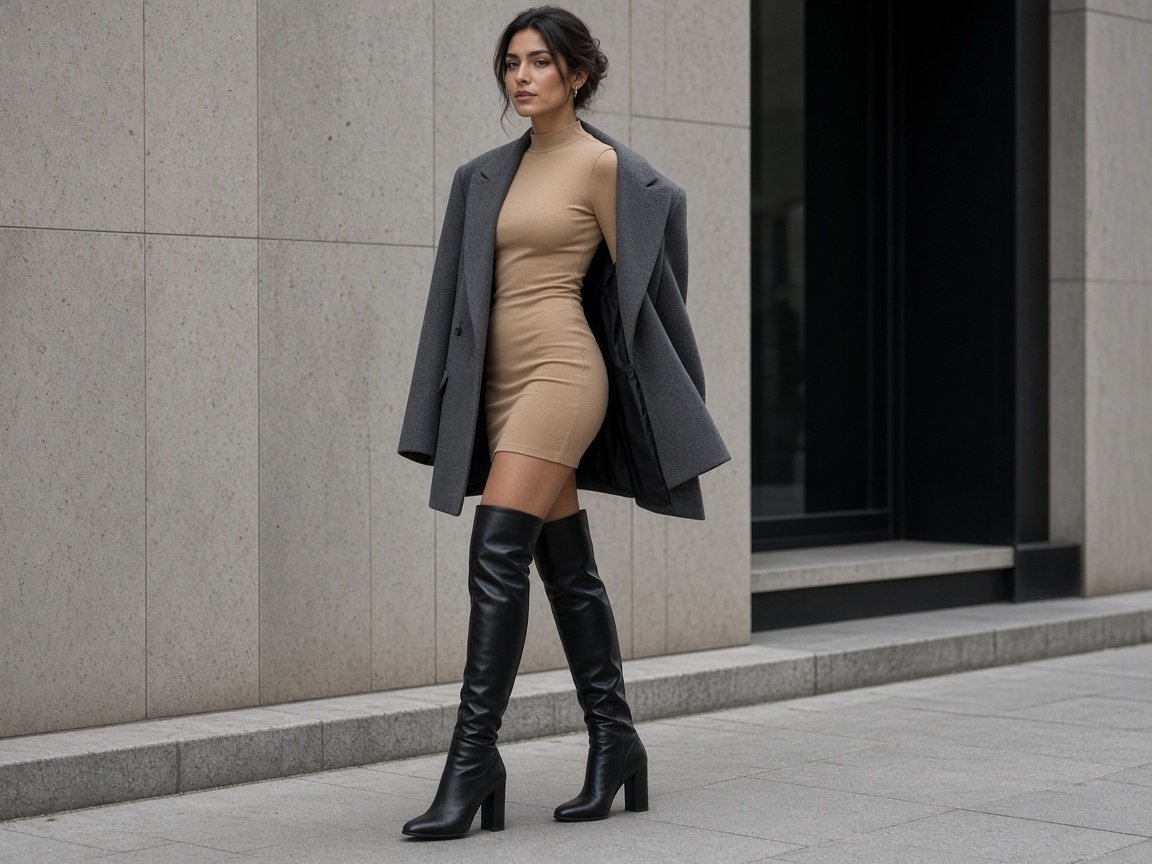
Heeled thigh-high boots with an oversized knit: A bodycon mini or an oversized roll-neck worn as a dress with heeled thigh-high boots is one of the most striking evening combinations. The key is keeping the hemline short enough that the boot and the garment work together rather than competing. For more ideas for different venue types and outfit styles, the guide to wearing thigh-high boots on a night out is worth exploring.
How Does Body Type Affect Which Boot to Choose?
Boot proportions interact with your frame in ways that are worth understanding — though these are general observations, not rigid rules. The best boot is always the one that makes you feel great and fits your lifestyle.
If you are petite: A moderate heel (block or kitten) can look proportionate without overpowering a smaller frame. Ankle boots with a pointed toe elongate the leg visually. Very chunky or platform-style boots can read as heavy relative to overall height — slimmer silhouettes with a cleaner line tend to work better here.
If you are tall: You have the most flexibility of any body type. Tall boots, wide heels, and chunky silhouettes all sit well on taller frames. Knee-high and thigh-high heeled boots tend to look particularly proportionate when there is more leg to work with, as the shaft length does not appear to dwarf the rest of the outfit.
If you have fuller calves: Look for boots with stretch panels, wide-calf fittings, or styles that offer adjustable shafts. A block heel distributes weight more evenly and tends to feel more comfortable over time. Prioritise fit and comfort first — the right boot is the one you can actually wear all day without issue.
If you have a curvier figure: Knee-high and thigh-high heeled boots can create a beautiful continuous line from foot to thigh. The heel adds visual length to the leg, and the contrast between a fitted boot shaft and fuller hips tends to look very striking. If you want to explore how a softer suede texture changes the overall feel of this look compared with leather, the guide on how to style black suede knee boots goes into useful detail on that distinction.
What Should You Look for When Buying Black Boots With Heels?
Several details separate a boot that lasts for years from one that lets you down after a few wears. Here is what to check before you commit to a pair.
Upper material: Full-grain leather is the most durable option and develops a patina over time that improves with wear. Suede is softer and more relaxed in feel but requires more maintenance. High-quality synthetic materials have improved significantly and can be a good vegan-friendly alternative — look for brands that specify construction materials clearly rather than using vague terms like “man-made upper.”
Heel attachment: A heel secured with both adhesive and reinforcing hardware will outlast one held on with adhesive alone. If you are buying in-store, you can often check the base of the heel join before purchasing. Online, look specifically for reviews that comment on heel durability after extended use.
Sole grip: Leather soles are elegant but slippery on wet pavements. Rubber soles or rubber heel caps offer much better traction in real-world conditions. If a boot you love has a leather sole, a cobbler can add rubber heel caps for a small additional cost — it is well worth doing before the first wet-weather wear.
Shaft fit: Always try boots with the socks or tights you plan to wear them with. The shaft should fit snugly without digging in or gaping. If you are buying online from a brand new to you, look for customer reviews that mention shaft circumference, particularly if wide-calf fit is a consideration for you.
If you are considering a premium purchase and want a starting point for quality Italian-made leather options, the curated guide to Italian leather boots for women covers some of the most highly regarded choices available at different price points.
How Do You Care for Black Heeled Boots?
Proper care extends the life of heeled boots significantly. The approach differs depending on the upper material, so it is worth knowing the basics for whichever you own.
Leather boots: Wipe off dirt after each wear with a soft, dry cloth. Apply a leather conditioner every few weeks — this prevents the leather from drying out and cracking, especially through winter when central heating dries materials faster. Use a leather protector spray at the start of each season, particularly before the first wet day of autumn.
Suede boots: Suede needs a dedicated suede brush to lift dirt and restore the nap after each wear. Apply a suede protector spray before the first wear and re-apply periodically throughout the season. Avoid getting suede wet where possible — water can leave stains that are difficult to fully remove once set into the fibres.
Heel tips: The rubber or plastic tip at the bottom of a heel wears down faster than the rest of the boot. Replace it at a cobbler before it wears completely through. Once the exposed heel shank hits the ground directly, it damages the internal heel structure and the repair becomes more involved — and significantly more expensive — than a simple tip replacement.
Care kit checklist
- Soft lint-free cloths — for wiping down leather after each wear
- Leather conditioner — apply every 2–4 weeks during active use
- Leather protector spray — apply at the start of each season
- Suede brush — stiff-bristle brush for suede and nubuck uppers
- Suede protector spray — apply before first wear and re-apply monthly
- Boot shapers or rolled towels — maintain shaft shape during storage
Storage: Boot shapers or rolled towels inside the shaft help the boot hold its form when not in use. Stand heeled boots upright where possible. Stacking them on top of each other deforms the shaft over time and puts unnecessary stress on the heel structure.
Frequently Asked Questions About Black Boots With Heels
What is the most versatile type of black boot with a heel?
A black leather ankle boot with a block heel is the most adaptable option. It works with jeans, skirts, dresses, and tailoring, suits a wide range of occasions from work to weekends, and the block heel makes it comfortable enough for all-day wear. If you can only own one pair of heeled boots, this is the starting point.
Can I wear black heeled boots with black tights?
Yes — black boots with black opaque tights creates an elongating, monochrome effect that makes the leg look longer. It works especially well with a mini skirt or dress. Make sure the tights are fully opaque so the transition between tight and boot reads as seamless rather than patchy.
Are block heels more practical than stilettos for everyday wear?
Yes, significantly. The wider base of a block heel distributes your weight more evenly, reduces foot fatigue, and provides better stability on uneven surfaces. Stilettos are better reserved for evenings and occasions where you will be doing minimal walking. If you are on your feet for hours, a block or kitten heel will serve you far better.
What colours pair best with black heeled boots?
Almost everything. Black is a neutral that pairs naturally with white, cream, grey, navy, burgundy, camel, olive, red, cobalt, and mustard. It also works beautifully within a fully monochrome all-black outfit — just mix textures (matte knit with glossy leather, for instance) to keep the look from going flat.
How do I stop heeled boots from slipping at the heel?
Make sure the boot fits your heel correctly when buying — the foot should not slide at the back during walking. If there is minor heel slip despite a good overall fit, adhesive heel grip pads (available at shoe repair shops and many pharmacies) provide cushioning inside the heel cup and reduce movement without altering the fit elsewhere.
Can I wear black heeled boots in warmer months?
Yes. A strappy or open-sided ankle boot with a heel, or a low-heeled Chelsea boot, works well in warmer weather without looking out of place. Pair with a light floral dress, linen shorts, or a sundress for a contrast of tough and soft textures. Choose a lighter sole and open construction rather than a fully enclosed winter boot.
What skirt length works best with knee-high heeled boots?
A mini skirt that sits clearly above the boot top is the most flattering pairing. If you want to wear a longer length, choose a midi or maxi style where the hem sits well above the boot top or falls past it entirely. Avoid a hemline that meets the shaft at mid-calf — it cuts the leg at an unflattering point and makes both the boot and the skirt look shorter than they are.
How do I know if a boot is good quality before buying?
Check the upper material (full-grain leather or clearly specified synthetic), the heel attachment (look for signs of reinforcing hardware alongside adhesive), and the sole construction. In-store, flex the sole gently — it should feel solid without being completely rigid. Online, read reviews specifically for heel durability and sole grip after extended wear, not just first impressions.
Where Do You Go From Here?
What’s Coming for Black Heeled Boots Over the Next Two Years
The silhouette is not going anywhere. Within the next 12–24 months, a few specific directions are shaping how heeled black boots are designed and worn.
Wider, chunkier heels continue to grow in popularity across price points. The architectural block heel is replacing the needle-thin stiletto as the default choice for heeled boots — partly because of the comfort benefit and partly because the aesthetic fits contemporary fashion’s interest in bold, structural shapes. This direction is likely to continue gaining traction across both high street and designer collections.
Extended shaft lengths are also becoming more mainstream. Thigh-high and over-the-knee heeled boots have been gaining visibility across both high street and designer collections. As styling vocabulary around longer boots becomes more familiar to a wider audience, they are appearing in everyday wardrobes rather than being reserved for special occasions.
Sustainable and vegan-friendly materials are a growing part of the conversation. Many boot brands are expanding their use of plant-based and recycled synthetic leathers alongside traditional materials, with quality and durability increasingly approaching what full-grain leather offers. Consumer demand for transparency in materials is accelerating this shift.
Your Next Steps for Building a Black Heeled Boot Wardrobe
If you are starting from scratch or expanding what you already own, here is a practical sequence to follow.
- Start with a block-heel ankle boot in smooth leather. This is the most flexible entry point and covers the widest range of occasions and outfit types from a single pair.
- Add a knee-high version next. Once the ankle boot is covered, a heeled knee-high opens up a new range of skirt and dress combinations for both daytime and evening wear.
- Consider thigh-high or over-the-knee boots last. These are more occasion-specific but can become a wardrobe centrepiece once you are comfortable styling longer boots.
- Buy care products at the same time you buy the boot. A leather conditioner and protector, or a suede brush and protector for suede, will significantly extend the boot’s life from day one.
- Get heel tips replaced before they wear through. A cobbler can do this quickly and inexpensively — catching it early is far cheaper than repairing damaged heel structure later.
If you are already past the ankle boot stage and want to explore taller options for evenings out, the guide to women’s tall boots for nights out covers styles that offer both presence and practicality for social occasions.